Equinor nearly doubled its result. $12.35 billion in three months
Higher oil and gas prices drove Equinor's results. In the third quarter of 2026, the company generated $12.35 billion in adjusted operating income before tax, or around NOK 115 billion. This was nearly twice as much as a year earlier and the highest level since the end of 2022.
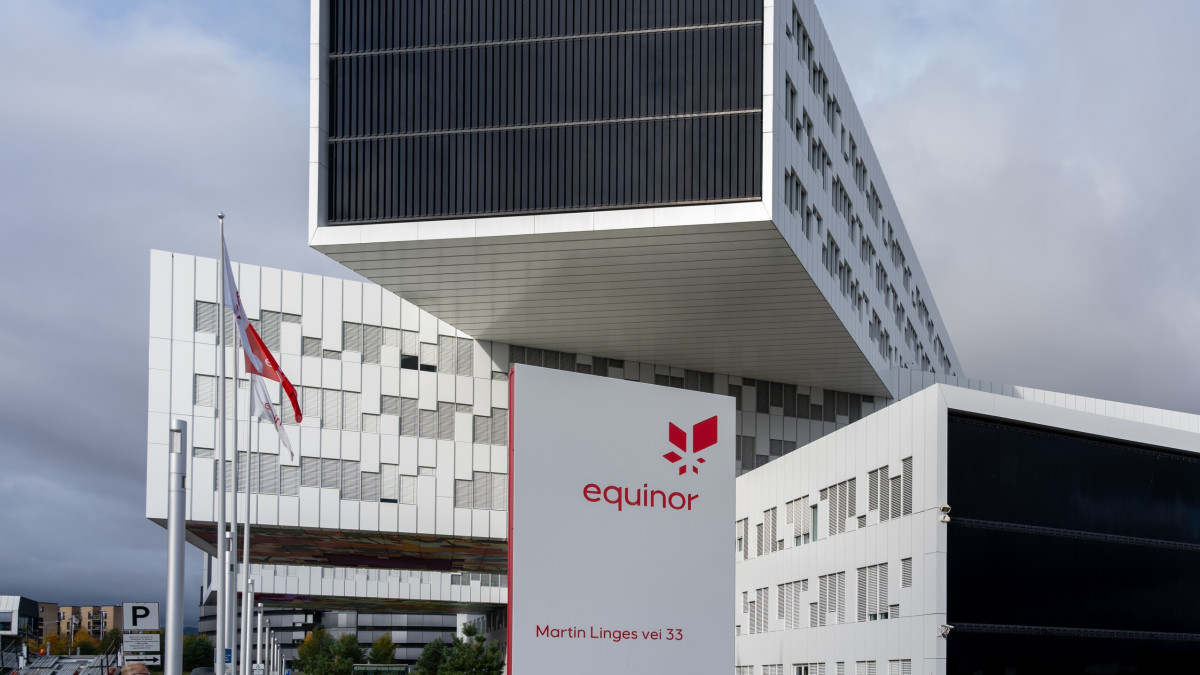
The Norwegian state benefits from taxes and dividends. For residents, this means more money in the oil fund, but high energy prices may also hamper the decline in inflation—and prolong the wait for cheaper loans.
stock.adobe.com/ fot. JHVEPhoto/ tylko do użytku redakcyjnego
Analysts had expected around $12.19 billion, so the company slightly beat forecasts. A year earlier, adjusted operating income stood at $6.21 billion. Reported net profit for this year's third quarter reached $2.54 billion—a separate measure that includes, among other things, taxes.
Record at Mongstad, higher production forecast
Equinor benefited from high commodity prices and increased production. The Mongstad refinery achieved a record result, while LNG trading brought in additional revenue. Average production amounted to 2.166 million barrels of oil equivalent per day, up 2 percent from a year earlier. On the Norwegian continental shelf, new fields and wells helped offset the natural decline in production and losses related to outages. The company raised its forecast for oil and gas production growth for full-year 2026 from around 3 to around 4 percent.
Germany buys gas, Poland benefits from Baltic Pipe
Equinor identifies Germany as its largest natural gas market. In August, the company signed an agreement with Germany's Uniper to supply around 2.8 billion cubic metres annually for 15 years. Deliveries under the new contract will begin on 1 January 2027. Gas from Norway also supplies the Polish market. According to Equinor, the company delivers around 2.4 billion cubic metres of gas to Poland annually. The contract signed with PGNiG, now part of the Orlen Group, covers the period from the beginning of 2023 to the beginning of 2033. It provides for deliveries through Baltic Pipe, which connects Norway's export system with Poland via Denmark.
The state benefits from taxes and dividends
The Norwegian state owns 67 percent of Equinor shares and receives dividends. It also benefits from production taxes. The total marginal tax rate on activity on the Norwegian continental shelf is 78 percent. This rate applies to production in Norway. State revenues from the oil and gas sector feed into the oil fund. Their use in the budget is subject to fiscal rules and parliamentary decisions. A strong quarter for the company therefore does not automatically mean tax cuts or higher benefits for residents. Strong conditions in the industry may support employment and wages, including at supplier companies. For borrowers, the situation is more complex. High energy prices increase costs across the economy and may hamper the decline in inflation. This, in turn, may mean a longer wait for interest-rate cuts and cheaper loans.
Dividend in line with previous announcement
The dividend for the third quarter will amount to $0.39 per share. The company also maintained its plan to buy back its own shares for a maximum of $3 billion in 2026. The final tranche of the programme is scheduled to begin on 29 October.
How do you rate this article?